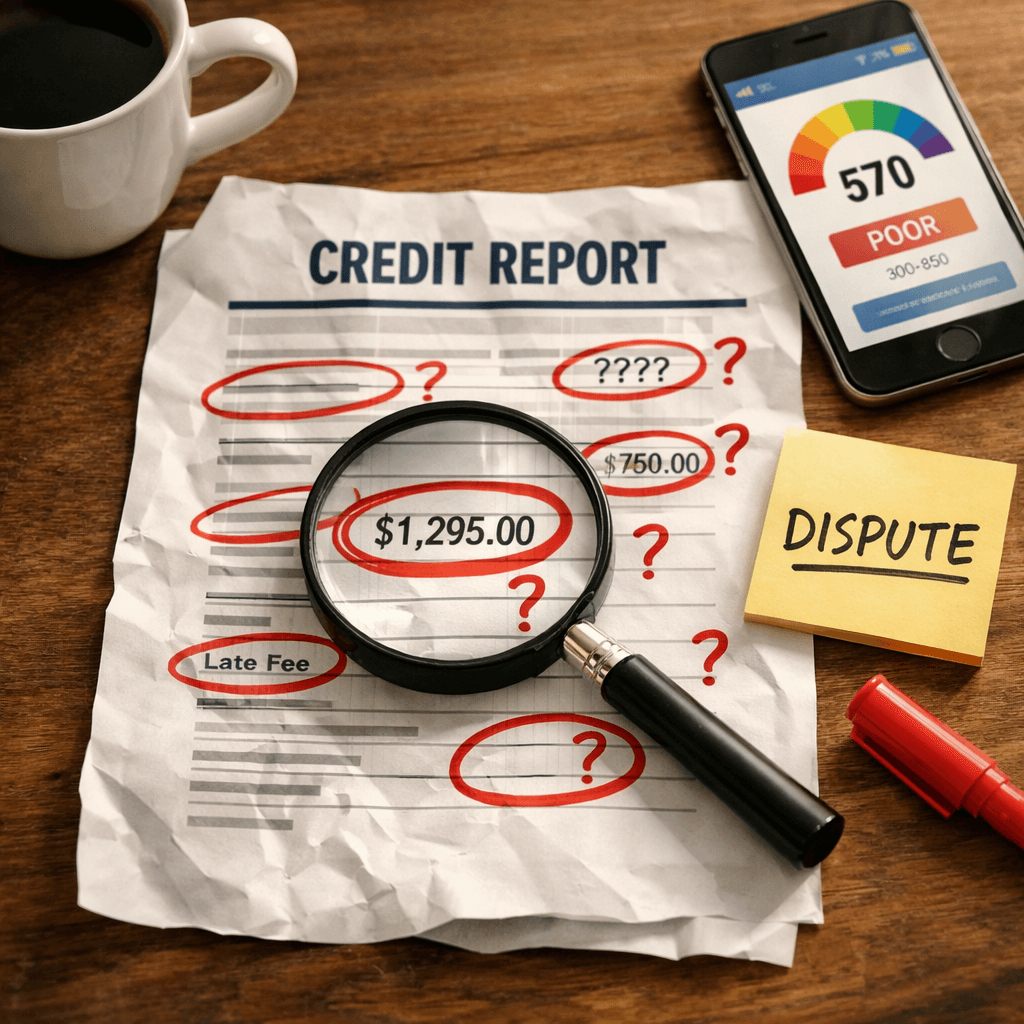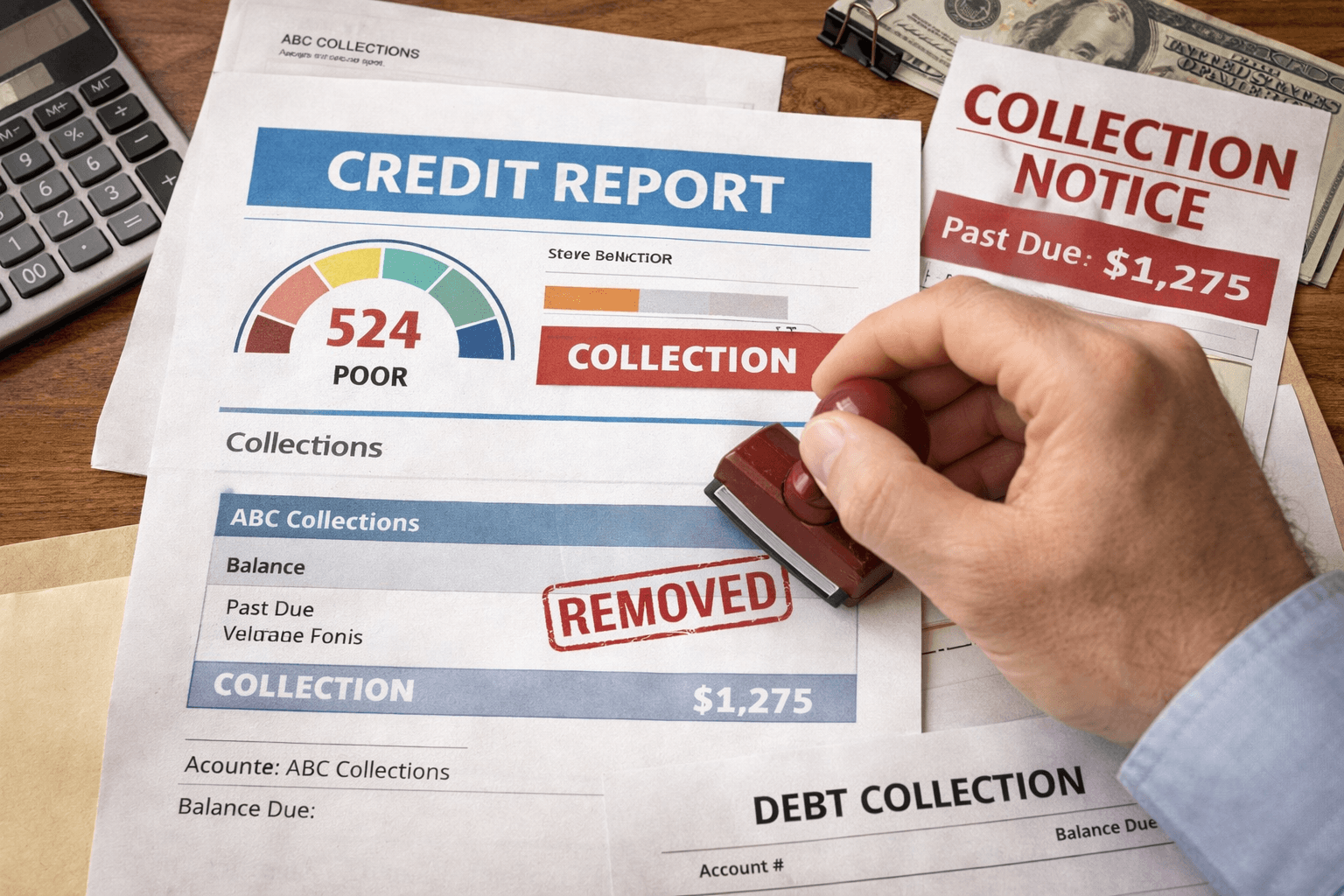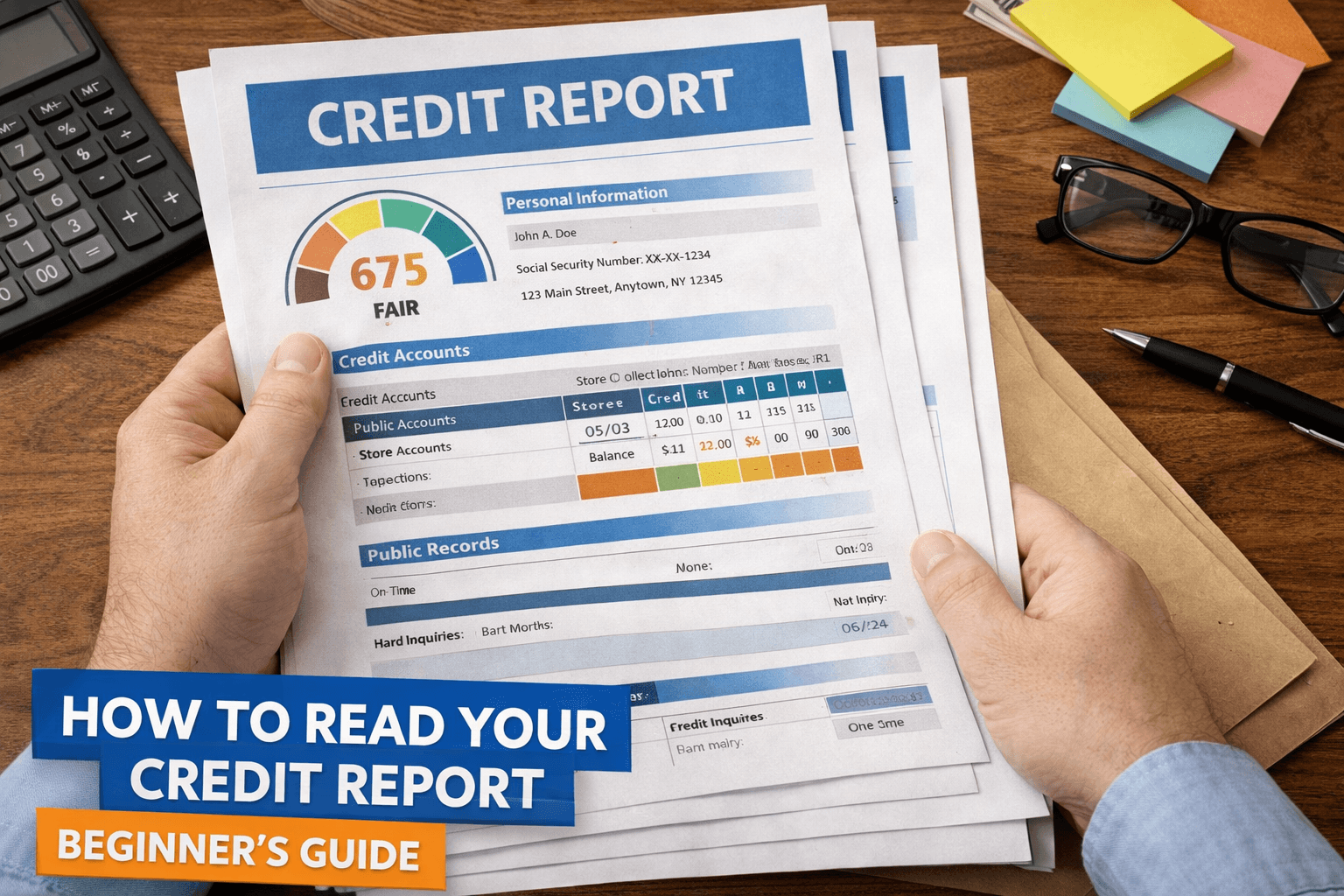
- The Fair Credit Reporting Act (FCRA) is a federal law that regulates how credit bureaus collect, use, and share your information
- Credit bureaus have 8 specific legal obligations to you — and most consumers don't know about half of them
- When a bureau violates the FCRA, you can recover $100–$1,000 in statutory damages per violation, plus actual damages and attorney fees
- Over $1.5 billion has been paid out in FCRA settlements and judgments in the last decade
- DisputeAI generates dispute letters that cite the exact FCRA provisions that apply to your situation
Table of Contents
- What Is the Fair Credit Reporting Act?
- 1. Investigate Your Disputes Within 30 Days
- 2. Give You Free Access to Your Credit Report
- 3. Only Report Accurate Information
- 4. Remove Outdated Negative Information
- 5. Get Your Permission Before Pulling Your Report
- 6. Notify You When Negative Actions Are Taken
- 7. Limit Who Can See Your Credit Report
- 8. Let You Add a Consumer Statement
- What Happens When Bureaus Violate the FCRA
- How to Enforce Your Rights (Step by Step)
- Frequently Asked Questions
What Is the Fair Credit Reporting Act?
The Fair Credit Reporting Act (FCRA) is a federal law originally passed in 1970 and significantly strengthened by the Fair and Accurate Credit Transactions Act (FACTA) in 2003. It's the single most important piece of consumer protection legislation when it comes to your credit report.
The FCRA governs three key players:
- Credit Reporting Agencies (CRAs) — Equifax, Experian, and TransUnion, the three major bureaus that compile and sell your credit data
- Furnishers — banks, credit card companies, lenders, and collection agencies that report your account information to the bureaus
- Users — landlords, employers, insurers, and lenders who pull your credit report to make decisions about you
The law creates a framework of obligations and rights that's supposed to ensure your credit report is accurate, private, and fair. When that framework breaks down — and it frequently does — the FCRA gives you legal tools to fight back.
Let's walk through the 8 specific rights you have under the FCRA that every consumer should know.
1. Investigate Your Disputes Within 30 Days
This is the right most people know about — but few understand just how powerful it actually is.
Under FCRA Section 611 (15 U.S.C. § 1681i), when you file a dispute with a credit bureau, they are legally required to:
- Conduct a "reasonable investigation" into the disputed information
- Forward all relevant documentation you provided to the furnisher (the creditor or collector that reported the data)
- Complete their investigation within 30 days (or 45 days if you submit additional information during the process)
- Notify you of the results within 5 business days of completing the investigation
- Delete or modify any information that cannot be verified
There's an important limitation to know about: bureaus can dismiss disputes as "frivolous or irrelevant" under Section 611(a)(3) if they believe you haven't provided enough information, or if they think you're just re-disputing the same item without new evidence. This is why the language and legal citations in your dispute letter matter — generic templates are easy to dismiss, while letters citing specific FCRA provisions are taken more seriously.
2. Give You Free Access to Your Credit Report
Under FCRA Section 612 (15 U.S.C. § 1681j), you're entitled to a free copy of your credit report in several situations:
- Once per year from each of the three bureaus through AnnualCreditReport.com (the only federally authorized site)
- Any time you're denied credit, insurance, or employment based on your credit report — you have 60 days after the denial to request a free copy
- If you're on public assistance or unemployed and intend to apply for a job within 60 days
- If you believe your file contains inaccurate information due to fraud or identity theft
- Once per week — since 2023, all three bureaus have made free weekly credit reports permanently available through AnnualCreditReport.com
3. Only Report Accurate Information
This is the foundation of the entire FCRA. Under Section 623 (15 U.S.C. § 1681s-2), furnishers are required to report information that is accurate and complete. Under Section 607(b), credit bureaus must follow "reasonable procedures to assure maximum possible accuracy."
In practice, this means:
- Account balances, payment histories, and account statuses must reflect reality
- Accounts can't be reported as belonging to you if they don't
- Duplicate entries of the same debt are not allowed
- If a creditor corrects information with one bureau, it should correct it with all three
The phrase "maximum possible accuracy" has been the subject of major court cases. Courts have generally held that this doesn't require perfection — but it does require credit bureaus to have reasonable quality control systems in place. When they don't, and inaccurate information slips through, that's a potential FCRA violation.
This is exactly why disputing works. You're not asking the bureau for a favor — you're invoking their legal obligation to ensure the data on your report is accurate. If they can't prove it is, they must remove it.
4. Remove Outdated Negative Information
The FCRA places strict time limits on how long negative information can remain on your credit report. Under Section 605 (15 U.S.C. § 1681c):
| Type of Information | Maximum Reporting Period |
|---|---|
| Late payments | 7 years from the date of the missed payment |
| Collection accounts | 7 years from the date of first delinquency on the original account |
| Chapter 13 bankruptcy | 7 years from the filing date |
| Chapter 7 bankruptcy | 10 years from the filing date |
| Civil judgments | 7 years from the date of entry (many states now exclude these entirely) |
| Tax liens (unpaid) | Removed — all three bureaus stopped reporting tax liens in 2018 |
| Hard inquiries | 2 years |
One of the most common credit report errors is negative items that have exceeded their reporting period. If a collection from 2018 is still showing on your report in 2026, that's an illegal entry and the bureau is required to remove it upon dispute.
5. Get Your Permission Before Pulling Your Report
Under Section 604 (15 U.S.C. § 1681b), no one can pull your credit report without a "permissible purpose." The law defines exactly who can access your data and why:
- Creditors — when you apply for a loan, credit card, or line of credit
- Landlords — when you apply for a rental (requires your written consent)
- Employers — when you apply for a job (requires your written consent)
- Insurance companies — for underwriting purposes
- You — checking your own report (this is a "soft pull" and doesn't affect your score)
- Existing creditors — for account review or pre-approved offers
If a company pulls your credit report without a permissible purpose, that's an unauthorized hard inquiry — and both an FCRA violation and potentially identity theft. You have the right to dispute any inquiry you didn't authorize, and the bureau must investigate and remove it if it can't be verified.
6. Notify You When Negative Actions Are Taken
If someone uses your credit report to take a negative action against you — denying you credit, charging you a higher interest rate, denying your rental application, or rejecting your job application — they are required to send you an "adverse action notice" under Section 615 (15 U.S.C. § 1681m).
This notice must include:
- The name, address, and phone number of the credit bureau that supplied the report
- A statement that the bureau did not make the decision (the creditor/landlord/employer did)
- Notice of your right to get a free copy of your credit report within 60 days
- Notice of your right to dispute any inaccurate information
This is actually a powerful discovery tool. If you're denied credit and receive an adverse action notice, it tells you exactly which bureau has the damaging information — so you know where to send your dispute letter.
7. Limit Who Can See Your Credit Report
You have several tools to control access to your credit data:
- Credit freeze (security freeze) — Under the Economic Growth, Regulatory Relief, and Consumer Protection Act of 2018, all three bureaus must let you freeze and unfreeze your credit for free. When frozen, no new creditor can pull your report, which prevents identity thieves from opening accounts in your name.
- Fraud alert — Under FCRA Section 605A, you can place a one-year fraud alert on your file (or a 7-year extended alert if you're an identity theft victim). This requires creditors to verify your identity before opening new accounts.
- Opt out of pre-screened offers — Under FCRA Section 604(e), you can opt out of pre-approved credit card and insurance offers by calling 1-888-5-OPT-OUT or visiting OptOutPrescreen.com.
8. Let You Add a Consumer Statement
Under FCRA Section 611(b), if a dispute doesn't result in the outcome you wanted, you have the right to add a 100-word consumer statement to your credit file explaining your side of the story.
When anyone pulls your credit report in the future, the bureau must include your statement (or a summary of it). This is useful for situations like:
- A medical emergency that caused missed payments
- A disputed account where you believe the creditor is wrong but the bureau sided with them
- Identity theft that hasn't been fully resolved
While consumer statements don't directly affect your credit score, they can influence manual reviews — such as when a mortgage underwriter looks at your full credit file rather than just the score.
What Happens When Bureaus Violate the FCRA
Here's the part the credit bureaus would rather you not know: the FCRA has teeth.
Under Section 616 (willful violations) and Section 617 (negligent violations), you can sue a credit bureau, furnisher, or credit report user for violating your FCRA rights. The damages break down like this:
| Type of Violation | What You Can Recover |
|---|---|
| Willful violation (they knew or should have known they were breaking the law) | $100–$1,000 per violation in statutory damages, plus actual damages, punitive damages, and attorney fees |
| Negligent violation (they should have had better procedures) | Actual damages plus attorney fees |
Some real examples of FCRA settlements:
- Equifax data breach settlement (2019) — $700 million, the largest consumer data settlement in history at the time
- TransUnion v. Ramirez (2021) — The Supreme Court ruled on standing requirements for FCRA class actions, with the original jury awarding $60 million
- Individual lawsuits regularly settle for $1,000–$50,000+ for clear violations like failing to investigate disputes, re-inserting deleted information, or reporting obviously inaccurate data
How to Enforce Your Rights (Step by Step)
Knowing your rights is half the battle. Here's how to actually enforce them:
Step 1: Get Your Credit Reports
Pull your reports from all three bureaus at AnnualCreditReport.com. Review each one carefully — errors often appear on one or two reports but not all three.
Step 2: Identify Violations
Look for the specific issues covered in this article:
- Inaccurate account information (wrong balances, statuses, or payment histories)
- Accounts that aren't yours (mixed files, identity theft)
- Outdated items that have exceeded their reporting period
- Unauthorized hard inquiries
- Duplicate collection entries for the same debt
Step 3: Send Written Disputes
File your disputes by mail using certified letters with return receipt. This creates a legally admissible paper trail proving the bureau received your dispute and when. Your letter should:
- Clearly identify each item you're disputing
- Explain why the information is inaccurate
- Cite the specific FCRA sections being violated
- Include copies (never originals) of any supporting documentation
- Request verification of the disputed items
This is where DisputeAI saves you hours of work. Our AI analyzes your specific credit report, identifies every disputable item, and generates personalized dispute letters with the exact FCRA provisions that apply to your situation — not generic templates, but letters tailored to your accounts.
Step 4: Track the 30-Day Deadline
Once the bureau receives your dispute, the 30-day clock starts. Mark your calendar. If you don't hear back within 35 days, that itself may be an FCRA violation.
Step 5: Review the Results
The bureau must send you the results of their investigation along with an updated copy of your credit report if changes were made. If they verified the information (disagreed with your dispute), review their reasoning carefully.
Step 6: Escalate If Necessary
If the bureau's response is inadequate, you have several escalation options:
- Re-dispute with new evidence — additional documentation can strengthen your case
- Dispute directly with the furnisher — under FCRA Section 623, creditors and collectors have their own investigation obligations
- File a CFPB complaint — the Consumer Financial Protection Bureau tracks complaints and pressures bureaus to respond properly. File at consumerfinance.gov/complaint
- File an FTC complaint — the Federal Trade Commission enforces the FCRA at reportfraud.ftc.gov
- Consult a consumer rights attorney — many FCRA attorneys work on contingency (no upfront cost) because the FCRA requires violators to pay attorney fees
Frequently Asked Questions
Can I sue a credit bureau myself without a lawyer?
Technically, yes — you can file an FCRA lawsuit in federal court without an attorney (called filing "pro se"). However, FCRA cases can be complex, and credit bureaus have large legal teams. The good news is that many consumer rights attorneys take FCRA cases on contingency, meaning you pay nothing upfront. The FCRA requires the losing party to pay your attorney fees if you win, which makes these cases attractive for lawyers to take on.
What qualifies as a "willful" FCRA violation?
A willful violation means the credit bureau or furnisher either knowingly violated the law or acted with reckless disregard for your rights. Common examples include: continuing to report information after you've provided clear proof it's wrong, failing to conduct any investigation after receiving your dispute, or re-inserting previously deleted information without notifying you. The Supreme Court clarified in Safeco v. Burr (2007) that "willful" includes reckless behavior, not just intentional wrongdoing.
How is the FCRA different from the FDCPA?
The FCRA (Fair Credit Reporting Act) governs credit reporting — how your data is collected, reported, and shared. The FDCPA (Fair Debt Collection Practices Act) governs debt collection — how collectors can contact you and what they can say. They're complementary laws. If a collection agency reports inaccurate information to a credit bureau AND uses abusive collection tactics, they may be violating both laws simultaneously, which means more potential damages for you.
Do online disputes have the same legal weight as mailed disputes?
Legally, yes — but practically, mailed disputes are stronger. When you dispute online, the bureau typically reduces your dispute to a 2-3 digit "dispute code" that conveys very little context to the furnisher. When you mail a detailed letter with supporting documents, the bureau is required under FCRA Section 611(a)(2) to forward all relevant information you provided. Additionally, certified mail with return receipt creates a legally admissible paper trail that proves exactly when the bureau received your dispute — critical if you need to prove they violated the 30-day deadline.
What should I do if a bureau re-inserts information I already had removed?
Under FCRA Section 611(a)(5)(B), if a bureau re-inserts previously deleted information, they must notify you in writing within 5 business days and provide the name and contact information of the furnisher who requested the re-insertion. Failure to notify you is itself an FCRA violation. If this happens, send a new dispute citing this specific provision and document everything — re-insertion cases are among the strongest FCRA lawsuits because courts view them as clear evidence the bureau isn't following proper procedures.
Can an employer check my credit without my permission?
No. Under FCRA Section 604(b), an employer must get your written consent before pulling your credit report, and they must provide you with a standalone disclosure document (not buried in fine print on a job application). If they take adverse action based on your report — like denying you the job — they must give you a copy of the report and a summary of your rights before the action becomes final. Many employers have been sued for violating these requirements.
The Bottom Line
The FCRA isn't just a set of guidelines — it's federal law with real enforcement power. Credit bureaus process billions of data points, and mistakes are inevitable. What's not inevitable is you accepting those mistakes. Every right outlined in this article is backed by the ability to take legal action when it's violated.
The most effective way to exercise these rights starts with a single step: sending a well-crafted dispute letter that cites the specific FCRA provisions being violated, identifies the inaccurate information clearly, and requests verification the bureau is legally required to provide.
That's exactly what DisputeAI does. Our AI reads your credit report, flags every disputable item, and generates personalized dispute letters grounded in the FCRA sections that apply to your specific situation. No generic templates. No guesswork. Just legally-backed letters designed to hold credit bureaus to the standard the law requires.
Get started with DisputeAI for free and start enforcing the rights you've always had.
Topics
Written by DisputeAI Team
Our team of credit experts helps consumers understand their rights and fight back against inaccurate credit reporting using AI-powered dispute letter generation.